
How to recruit volunteers: A practical guide for charities
Across the sector, volunteers play a vital role in delivering services, supporting fundraising and strengthening local communities. But recruiting the right volunteers, for the right roles and locations, brings its own set of marketing challenges.
In this guide, I've brought together insights from my five years of leading volunteer recruitment campaigns at Guide Dogs, alongside Torchbox's work with RNID, to explore what helps charities recruit volunteers successfully.

Start with the volunteer perspective
Volunteer recruitment may use many of the same channels as fundraising, but asking someone to commit their time on an ongoing basis creates a very different consideration journey.
People need to understand not only why an organisation needs them, but whether the opportunity fits their interests, circumstances and what they want to get from volunteering.
That might be the opportunity to develop new skills, meet new people, gain work experience, improve confidence or simply give something back to a cause they care about. Understanding those motivations and how they differ by role should shape everything from audience targeting and creative to the information people see after clicking an ad.
What does success look like for you?
Before deciding where to advertise for volunteers or how much to invest in a campaign, think about what success looks like.
I've seen campaigns focus heavily on generating applications without enough consideration of how many of those applicants are likely to become active volunteers. From there, you can work backwards to understand what your campaign needs to deliver:
- How many active volunteers do you need?
- What's your typical conversion rate from application to active volunteer?
- How many applications will you need to achieve that?
Forecasting also helps avoid creating demand you can't support. If a campaign generates more applications than there are available roles, you risk disappointing potential volunteers and creating a poor experience with your organisation.
Once those numbers are clear, you have a much stronger basis for planning your audience, channel mix, volunteer journey and measurement.
Target motivations, not just demographics
Volunteer roles attract a wide range of people, and demographics alone rarely tell you enough about who is likely to be interested in a particular opportunity.
In my experience, motivations can vary considerably between audiences. Younger audiences may be looking to gain skills or experience that can support future employment or studies, while older audiences may be motivated by meeting people or putting skills developed throughout their careers to good use. People with lived experience may want to use that experience to support others or help people better understand a cause.
But these aren't fixed audience rules, and the role itself should inform your targeting. Someone who enjoys event planning may be drawn to a Fundraising Coordinator role, while someone who loves caring for animals may be much more interested in becoming a Fosterer.
For each role, I'd consider:
- What interests naturally align with this volunteer role?
- What benefits does this role offer the volunteer?
- How much time does it require?
- Who is realistically able to make that commitment?
The more clearly you can answer those questions, the easier it becomes to build messaging, choose channels and recruit the right volunteers for each opportunity.
Meet your audience where they are
There's no universal channel mix for volunteer recruitment. We've found the strongest approach depends on the role, audience, level of existing demand and, importantly, how different channels work together.
Volunteer recruitment campaigns are often most effective when they're supported by activity across multiple channels. Paid media can build awareness and drive applications, while PR, organic social, email and offline activity can reinforce the message and reach people at different points in their journey.
Think about where your audience is already spending their time. Facebook can work particularly well for reaching older audiences, while LinkedIn is often a strong choice for professional or skills-based volunteering opportunities. If you're recruiting younger volunteers, channels like Instagram, TikTok or Snapchat may work better.
Search can also be highly effective where there's existing demand for volunteer roles, particularly if people are actively looking for opportunities in their local area, while existing supporter or volunteer audiences can make email an important part of the mix.
The important question isn't “Which is the best channel?”, but which combination will reach the people you're trying to recruit and support them through the volunteer journey.
Test what motivates applications
Once you've identified your audience and the right channels to reach them, test which messages actually motivate people to apply. Lead with the volunteer's motivation, showing why the role might appeal to them and what they'll get from the experience.
User-generated content (UGC) can perform particularly well, whether that's existing volunteers in action, making friends, being part of the community, or simply talking about their own experiences. It can help prospective volunteers picture themselves in the role and understand what the experience might actually be like.
Look beyond the application
Driving applications is only one part of a successful volunteer recruitment campaign. What happens after someone clicks an advert can have just as much impact on whether they ultimately become a volunteer.
If the application process is complicated, communication is slow, or people don't know what to expect next, interest can quickly drop off. It's worth looking at the whole journey alongside campaign performance: Are you asking for more information than you need at this stage? Is the process straightforward on mobile? Does the role description set clear expectations around what's involved and the time commitment?
Once someone has applied, keeping them engaged is just as important. Recruitment checks and onboarding can take time, so regular communication about what's happening and what to expect next can help maintain that initial motivation.
It's also worth remembering that not everyone who expresses an interest will end up volunteering straight away. People's circumstances change, or the timing might not be right. Creating a positive experience, even if someone doesn't become a volunteer immediately, can make it more likely that they'll consider volunteering in the future or recommend your organisation to someone else.
Measure what matters
Application numbers only tell part of the story. Looking at conversion from application to active volunteer gives you a much better sense of whether your campaigns are attracting people who ultimately go on to volunteer.
That's why it's important to work closely with volunteer recruitment teams and look beyond marketing metrics alone. Understanding where people drop out of the journey can help identify whether the challenge sits with the campaign itself, the application process or the onboarding experience.
Reviewing performance by audience and channel can also reveal which are attracting volunteers who are more likely to convert or stay with your organisation for longer. That can give you a very different view of campaign performance from looking at application volume or cost per application alone, and help inform where you invest next.
RNID Case Study
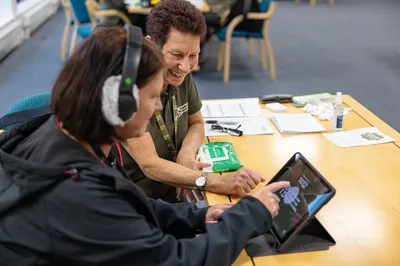
RNID wanted to recruit hearing aid maintenance volunteers in specific locations across the UK, while also raising broader awareness of their volunteering opportunities.
We developed a paid media strategy across Meta, Nextdoor, Google Search and Performance Max, running from January to March to coincide with a period when interest in volunteering typically increases.
Results from the three-month campaign include:
- 187 volunteer sign-ups
- £126 average CPA
- 97k+ clicks from 4.6 million impressions
A key part of the strategy was optimising around RNID's actual recruitment needs, rather than simply putting more budget behind the best-performing audiences. Once enough volunteers had been recruited in one location, we redirected spend to areas where demand remained.
We also found that location-specific messaging consistently delivered lower CPAs, while direct volunteer recruitment ads generated significantly more applications than awareness-led creative. These learnings are now helping to shape future campaigns, reinforcing the value of tailoring both media spend and messaging to local recruitment needs.
Final thoughts
Successful volunteer recruitment isn't about finding one perfect channel or advert.
The strongest campaigns I've worked on are those where marketing activity is closely connected to what the volunteer programme actually needs. That means looking beyond application numbers to understand who goes on to become an active volunteer, where they're needed, and what helps keep people engaged throughout the journey.
Looking to reach and recruit more of the right volunteers?
More
-

Why your usability testing playbook doesn't work on AI, and what to use instead
Cassandra Christodolo Senior User Researcher
- See more posts
