
The rise of social search: Latest updates for the charity sector
By now, most people will have heard about Google Search Console's new ability to measure social search performance. But it's just one of several updates shaping how people discover organisations and content online.
For years, SEO and social media have been treated as two separate disciplines. SEO was about ranking your website. Social was about engagement, reach and community.
That distinction is disappearing.
Whether someone is searching on Google, TikTok, Instagram or even through AI-powered search experiences, social content is becoming an important part of how people discover organisations, causes and content. This means that if your social content isn't designed to be found, you're missing a growing opportunity.
Below, we've rounded up some of the social search updates we're most excited about.
1. Google Search Console can now measure social search performance
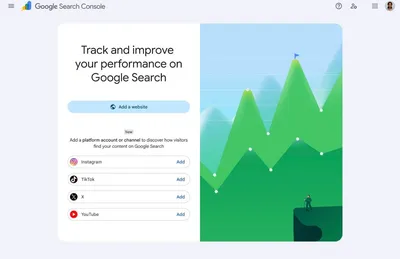
The biggest announcement is Google's new Platform Properties in Search Console.
For the first time, creators, publishers and organisations can connect their Instagram, TikTok, YouTube and X accounts directly into Search Console to understand how those channels perform in Google Search and Discover. Rather than only reporting on websites, Google is recognising that people discover brands through social content too.
This means charities will be able to see:
- which Google searches led people to their social content
- which posts appear most often in search
- impressions and clicks for social posts
- how audiences discover their content across platforms.
This confirms what many marketers have suspected for some time: Google increasingly sees social content as searchable content, not just content that lives inside social platforms.
What should charities do?
- Start thinking of social posts as searchable assets, not disposable content.
- Review which campaign, fundraising and service-related topics people are searching for.
- Optimise captions around real questions and keywords that people are searching for, rather than purely creative copy.
- Build reporting that includes website SEO and social SEO together.
2. Google is giving social content more visibility in Business Profiles
Google My Business Profiles have quietly become much more social.
Whilst Google has always allowed organisations to connect social profiles directly to their Business Profile, in some regions, Google is beginning to surface recent social posts directly within Search and Maps listings.
For charities with shops, advice centres, hospices or local services, this is significant. Someone searching for your charity could now see:
- your latest Instagram updates
- community events
- fundraising campaigns
- volunteer stories
- awareness content
What should charities do?
- Connect all eligible social accounts to your Google Business Profile.
- Publish regular location-specific content.
- Showcase volunteers, beneficiaries, events and community impact.
- Keep information consistent across Google and social channels.
- Consider the use of regional social media profiles and how they are linked to Google My Business. For example, we know that many animal rescue charities may have social media profiles for different local areas, so it makes sense to link those instead of the main brand profile.
3. TikTok is increasingly becoming a search engine powered by AI
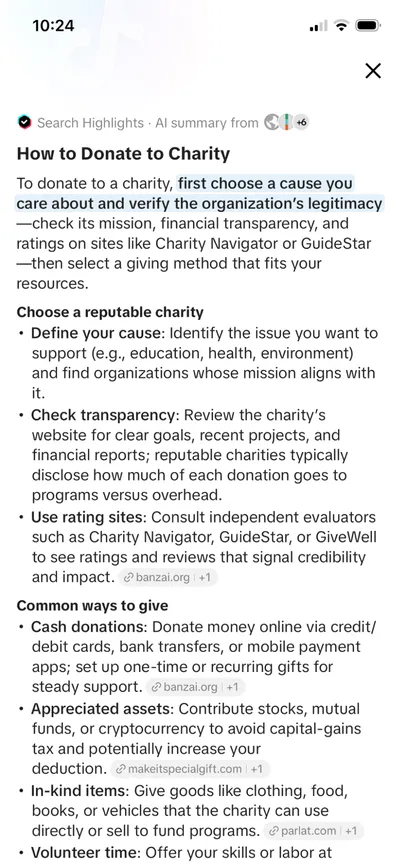
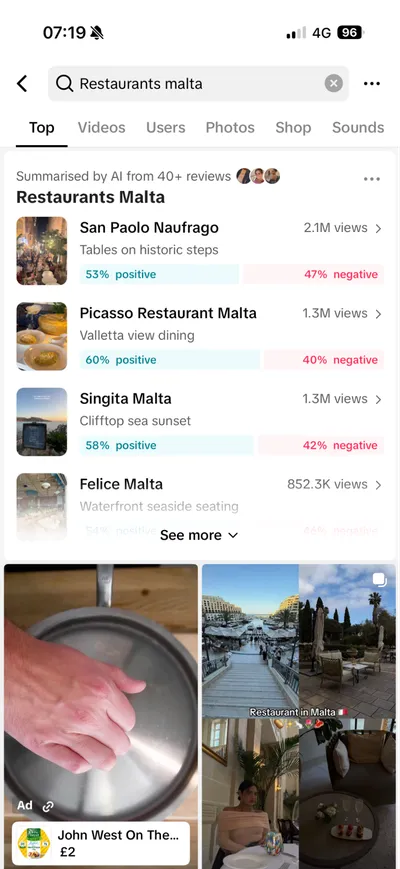
TikTok continues to invest heavily in AI-generated summaries across search experiences. Instead of simply showing videos, TikTok is also beginning to summarise opinions, themes and common experiences, helping users quickly understand what creators collectively say about a topic.
We're also seeing AI summaries appear for topics where people want to understand overall sentiment. For example, positive and negative experiences relating to services or destinations.
This changes the goal for content creators. It's no longer just about creating one viral video. It's about consistently publishing content that helps AI understand what your organisation is known for.
What should charities do?
If your charity wants to be recommended for volunteering, fundraising events, support services, campaigning or education, you need multiple videos that cover these themes consistently.
AI can't summarise expertise that doesn't exist.
4. Instagram is quietly becoming even more searchable
Instagram recently expanded carousel captions, giving users significantly more room to write. It may sound like a small product update, but it opens up new opportunities, with extra captions allowing for:
- more context
- more natural keywords
- more ways to answer questions
- stronger signals about what your content is actually about.
What should charities do?
- Tell a story under each of your photos - don’t just use one caption to describe everything.
- Consider keyword placement and repetition across captions in an authentic way.
Social Search is becoming a charity marketing skill
Perhaps the biggest trend isn't any single update. It's that every platform is moving towards search.
People now search:
- "How do I volunteer?"
- "Mental health support near me"
- "How can I help refugees?"
- "Charities supporting young people"
- "What does food insecurity look like?"
Today, those answers don't just come from websites. They come from videos, carousels, Reels, creator content and community conversations.
That's why charities should stop asking:
"What should we post this week?"
Instead ask:
"What questions are our audiences searching for?"
What this means for your social strategy
Social media has always been about building relationships. Now it's also becoming one of your most valuable discovery channels.
The charities that succeed won't necessarily be the ones producing the most content. They'll be the organisations creating content that answers real questions, demonstrates expertise, showcases impact and can be understood by both people and search engines.
The future of SEO isn't just on your website anymore. It's everywhere your content lives. That means social media should be planned with discoverability in mind, not just engagement.
For charities, that means:
- Think search-first when planning content
Start with the questions your audiences are asking, whether that's "How can I volunteer?", "Where can I get support?" or "How do I fundraise for this cause?" Create content that answers those questions clearly and authentically. - Treat social posts as long-term assets
A well-optimised Instagram carousel, TikTok or LinkedIn post can continue to appear in search long after it's published. Instead of focusing solely on the next campaign, build a library of evergreen content that reflects your expertise. - Work together across teams
SEO, content, PR and social teams should no longer be working in silos. Keyword research, audience insight and campaign messaging should inform both your website and your social channels. - Measure beyond engagement
Likes and shares still matter, but so do impressions from search, profile visits, website clicks and the number of people discovering your organisation through social platforms. - Review your local presence
If you have charity shops, community hubs or local services, make sure your Google Business Profile and connected social channels are up to date.
How we can help
We've always believed that great digital marketing starts with understanding your audiences. As social search continues to evolve, we're helping charities adapt their strategies so they're creating content that can be found, not just content that's published.
We can help you:
- Develop a social search strategy that complements your SEO and content plans.
- Identify the questions your audiences are searching for and turn them into engaging content.
- Optimise Instagram, TikTok, LinkedIn and other social channels for discoverability.
- Align your website, social media and campaign messaging into a joined-up search strategy.
- Measure the impact of social search alongside your wider digital performance.
The lines between search, social and AI are only going to become more blurred. Now is the time to build a content strategy that's designed to meet your audiences wherever (and however) they're searching.
Looking for support with your charity's SEO and social strategy?
Laura Matthews Digital Account Manager
Get in touchMore
-

What the Charity Digital Skills Report 2026 tells us about the future of the sector
Phil McMinn Chief Strategy Officer (Charity Sector)
-

Google's latest AI announcements: A roundup for charities
Louisa Howells Vessey Senior SEO Executive
- See more posts