
Improving accessibility for Amnesty International UK and MAP
Accessibility is fundamental to how we design and build digital products. It informs structure, interaction, performance and resilience from the very beginning, not as a final check, but as a core principle.
Across recent launches for Amnesty International UK and Medical Aid for Palestinians (MAP), we embedded accessibility at every layer of the build. The result was not only improved compliance scores, but faster, lighter and more reliable experiences for users.
As Global Accessibility Awareness Day (21st May) highlights the importance of inclusive digital experiences, this blog looks at how embedding accessibility in practice has shaped this work, from early design decisions through to delivery and beyon
Building accessibility into the foundations
On both projects, accessibility was designed into the system itself and validated throughout the process.
We implemented:
- Structure: Semantic HTML, landmark regions and consistent heading structures.
- Navigation: Predictable patterns, logical tab order, and skip links.
- Interaction: Reusable accessible components, visible focus states and robust focus management for dynamic content.
This approach extended across design, development and QA, including manual keyboard and screen reader testing, automated checks during development, and accessibility-focused quality assurance before release.
Measurable impact
Automated accessibility scores improved across both projects, including a perfect score on Amnesty’s homepage and 97/100 on MAP, rising to 100 once the third-party cookie banner is dismissed.
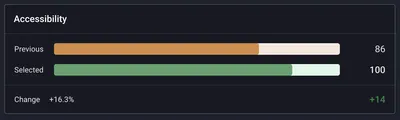
Amnesty’s homepage achieved a perfect score in automated accessibility testing.
More importantly, performance improvements translated into real-world benefits.
In mobile testing, Amnesty’s main content now loads over 11 seconds faster (14.4s → 3.4s). For users on slower connections, this significantly reduces the time spent waiting for critical content to appear:
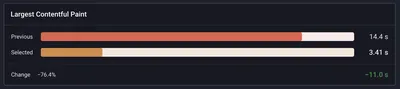
Main content now appears dramatically faster on mobile - reduced from over 14 seconds to just over 3 seconds.
- Page weight was reduced by 46% on Amnesty and 39% on MAP, lowering data use and improving access on slower connections.
- Real-user performance data shows at least 75% of Amnesty users now experience ‘good’ Core Web Vitals following launch, meaning most users experience fast loading, stable layouts and responsive interaction.

Real-world data confirms a consistently strong experience for the majority of users.
Interaction matters as much as appearance
Accessibility is also about how a site behaves. A page that looks polished but freezes, lags or shifts unexpectedly creates barriers, particularly for:
- Keyboard users
- Screen reader users
- People using screen magnification
- Users on older or lower-powered devices
Across both rebuilds, we focused on reducing friction in how the site responds to user input.
For example, on MAP we reduced the time the browser spends “busy” processing scripts by 92%. This means the page can respond much more quickly to things like keyboard navigation, screen reader interaction and taps or clicks.
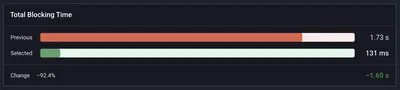
Total Blocking Time reduced from 1.73 seconds to 131 milliseconds - a 92% improvement in how quickly the page responds to user input.
The result is a smoother, more reliable experience for everyone.
Accessibility and sustainability go hand in hand
Reducing page weight and processing demands improves more than speed. It also supports:
- Lower data consumption
- Reduced device strain
- Better performance on lower-cost hardware
- Reduced energy usage
By reducing the code required to render a page, we remove barriers for users and reduce the carbon footprint of every page view.
Sustaining accessibility beyond launch
Both Amnesty International UK and MAP are now built on Wagtail, giving editorial teams greater control over their content, without compromising accessibility.
Editors now have access to Wagtail’s built-in accessibility checker, which helps flag common issues such as:
- Missing alternative text
- Heading structure problems
- Empty or unclear links
This provides real-time feedback during content creation, helping teams maintain accessibility standards long after launch.
By combining accessible component systems with editorial guidance and automated checks, we’ve helped ensure accessibility remains part of everyday publishing workflows.
Accessibility in practice
Accessibility isn’t a single feature or audit score. It’s the result of thoughtful design, robust engineering and sustainable content practices working together.
By embedding accessibility into systems, workflows and performance, we help organisations create digital experiences that are more inclusive, resilient and effective for everyone.
And as Global Accessibility Awareness Day reminds us, this work doesn’t stop at launch, it continues through ongoing updates, releases and content changes.
Need help making your website accessible to everyone?
Book an accessibility audit today.
Chris Lawton Senior Engineer
Get in touchMore
-
How we’re building more sustainable websites using the Web Sustainability Guidelines
Chris Lawton Senior Engineer
-

How to get started with Wagtail AI: a practical guide
Thibaud Colas Engineering Manager & Wagtail Product Lead
-

How leading charities get enterprise websites without enterprise costs
Will Heinemann New Business Director
- See more posts