Impact Report 2024

2024 marked a challenging year for our sector, with agencies across the UK facing tough economic pressures. At Torchbox, this tested us as a business and as a community of co-owners. These experiences gave us the space to reflect on who we are, what we value, and how we become an even stronger, more resilient agency.
Of course, when commercial pressures are front and centre, it’s harder to give the same energy to our long-term priorities like wellbeing, DEI, and decarbonisation. But even amidst challenging times, our Voice Groups remained dedicated to driving positive change. Partly thanks to tightening our belts, we cut carbon emissions dramatically, made progress on our Net Zero strategy, and supported causes close to home through our Community Action work.
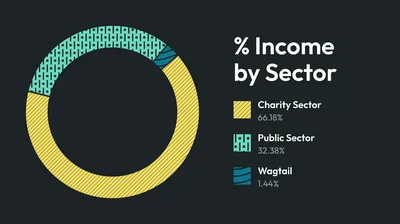
We also reshaped our structure to better serve clients, sharpening our focus around three sectors: charities, the public sector, and Wagtail CMS services. This sector-led approach allows us to bring deeper expertise, deliver more relevant solutions, and help our clients navigate the unique digital challenges in their fields.
So while this year may not have felt like a breakthrough moment, it has been an important one. We’ve learned, adapted, and laid stronger foundations for the future - approaching it with optimism, humility, and a refreshed sense of purpose.

Our clients
Empowering positive changemakers
We’ve continued working solely with mission-driven organisations, while moving away from a typical agency structure. Our three specialist teams, for charities, the public sector, and Wagtail CMS, ensures sector expertise is at the heart of everything we do.

Clients from high-carbon industries
We maintained our record of generating 0% of turnover from high-carbon clients, and we’re committed to continuing this approach.
Potentially controversial sectors
Amongst potentially controversial sectors (Alcohol / Arms / Coal, Oil or Gas / Politics / Gambling / Tobacco / Pornography / Religion), our work is limited to Alcohol, supporting Drinkaware’s public health work, and Religion, where we work with humanitarian organisations including Islamic Relief, Muslim Hands, Christian Blind Mission, Open Doors, and Tearfund.
| Client | Sector |
|---|---|
|
The National Institutes of Health |
Public sector |
|
Wharton Interactive |
Charity |
|
Office for National Statistics |
Public sector |
|
M+ |
Public sector |
|
Motor Neurone Disease Association |
Charity |
|
Mind |
Charity |
|
Guy’s and St Thomas’ Charity |
Charity |
|
London Museum |
Public sector |
|
Breast Cancer Now |
Charity |
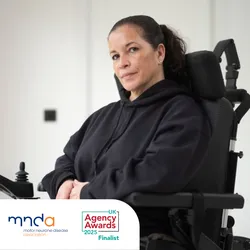
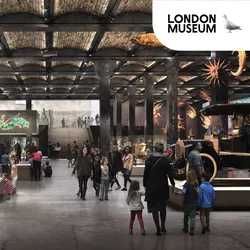
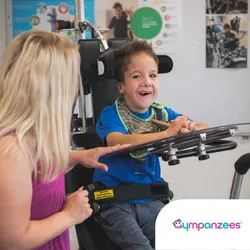
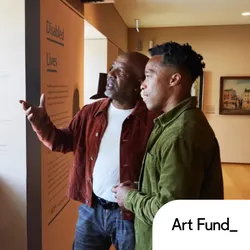
Click the images below to read Instagram posts about our work with clients such as London Museum, The Disasters Emergency Committee, and Guy's and St Thomas' NHS Foundation Trust.



Ethical-fit review process
We have always been committed to working with positive changemakers but have never previously determined the process by which we challenge cases where that fit isn't clear. Last year, to further safeguard our commitment to working with positive changemakers, we created the Ethical-fit review process. This details the principles by which we make decisions, the process of raising a concern, how we conduct an enquiry in the event of a challenge, and how we decide. Anyone interested in hearing more, please get in touch.

Sustainability
Reducing our impact
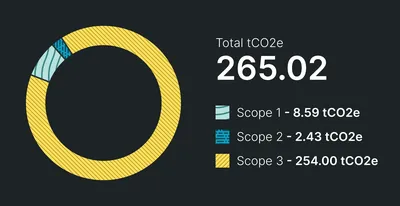
In 2024, our total location-based emissions fell to 265.02 tCO₂e, a 23.5% reduction from 2023. This progress reflects targeted reductions across our largest emission sources while continuing to strengthen our reporting framework and methodology in partnership with Zevero.
Scope 1
Direct emissions from company-owned sources remain small, at 8.59 tCO₂e (3.2% of our footprint), resulting from the SSE Green Gas Plus biogas we use to heat our Bristol office.
Scope 2
Our electricity-related emissions were 2.4 tCO₂e under the location-based method, but 0 tCO₂e market-based, thanks to our Bristol office’s renewable energy tariff.
Scope 3
Value chain activities continue to dominate our footprint, representing 95.8% of total emissions. The largest categories were:
- Purchased goods & services – 135.5 tCO₂e (53.3%)
- Employee commuting – 71.0 tCO₂e (27.9%)
- Use of sold products (client hosting) – 16.3 tCO₂e (6.4%)
- Waste & business travel – 29.0 tCO₂e (11.4%)
We’ve already made significant progress here: emissions from purchased goods and services dropped 27%, business travel fell 19%, and client hosting emissions reduced 18%.
See our detailed 2024 emissions report
Client emissions reporting
We continue to track and report emissions from client hosting within our Scope 3 footprint, reflecting our responsibility beyond Torchbox’s direct operations. This transparency helps us and our clients to identify hotspots and work together on reductions.
Our benchmark year, 2023
Whilst we have been reporting emissions since 2018, our emissions tracking has deepened over time, and the methodology used by our monitoring partners has evolved.
As a result, it makes most sense for us to use 2023 as our benchmark year for our emissions reduction strategy and targets - it is a comprehensive measure of emissions (including Scope 3), and we have been able to re-run the figures against the latest monitoring framework.
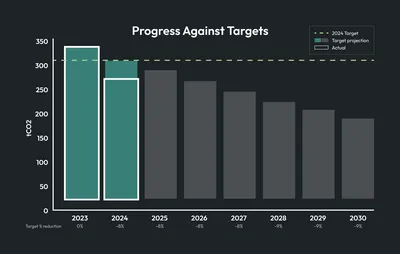
We are no longer reporting on the trend of our Scope 1, 2 and 'owned' Scope 3 emissions as we have in previous years. Instead, we are simply tracking against our comprehensive 2023 benchmark, which we have now adjusted to 334.52 tco2e as calculated against Zevero's updated methodology for this year.
Progress and looking ahead
2024 saw a substantial reduction in emissions (24%) from our benchmark year, which moves us ahead of targets on the trajectory to achieve our medium-term climate target: a 50% absolute reduction in emissions by 2030, and our long-term target of Net Zero by 2050. This is positive news, but it will be difficult to sustain this rate of reduction. Continued action across our supply chain, commuting, and client hosting will be key to continuing to reduce emissions.
Planned initiatives for 2025
Remote-working efficiency
Helping co-owners reduce home-working emissions through guidance, smart plugs (via Measurable Energy), and renewable energy switching support.
Circular procurement
Building sustainability criteria into purchasing decisions, including using refurbished IT kit and extending hardware lifecycles.
Carbon literacy and engagement
Running workshops to help all co-owners understand our 2030 reduction pathway, their role in it, and the wider climate context.

Better business
The communities we’re part of
Contributing to open source
2024 saw Wagtail's 10th birthday and our open source product development team ship four releases of Wagtail across the year, with significant focus once again on accessibility and sustainability improvements.
We expanded our set of standard checks in the Wagtail accessibility checker – including a check for the quality of alternative text – and made the checker available in the Wagtail page editor, made a list of keyboard shortcuts available, added a high contrast theme option and, as a Google Summer of Code project with Chiemezuo Akujobi, made it easier to provide contextual alt text and mark images as decorative for screen reader users. We also had an accessibility audit of Wagtail.org completed by our Outreachy intern, Sherry Yusupova, who went on to join the Torchbox team.
Following the media optimisation work we did in 2023, our sustainability initiative in 2024 focused on performance improvements, such as dramatically reducing memory usage for migration files. Across 2024, we saw a 5% decrease in the weight of Wagtail websites, which is unique in our industry. While reducing the carbon footprint of websites, that trend isn’t enough to offset the growth in Wagtail adoption, so the overall footprint of the project increased to 6,343 tons of greenhouse gas emissions per year. We worked to combat those trends in 2024 by encouraging excellence for new projects, with a new low-carbon template (a Google Summer of Code project with Nandini Arora), R&D on Digital Carbon Ratings, and promising grid-aware websites concepts in partnership with the Green Web Foundation.
Moving forward, we aim to continue delivering improvements that positively impact the Digital Carbon Ratings of new and upgraded Wagtail sites, in the hope of seeing an overall reduction in footprint even as the adoption of Wagtail rises.
Community action
This year, our Civic Engagement voice group changed their name to Community Action - a name that better reflects their focus to support the places where we live and work. The group continued to connect us with local charities and volunteering opportunities, helping us give back to our communities.
Charity of the year
We began a two-year partnership with Gympanzees, a Bristol-based charity working to build the UK’s first fully inclusive play and exercise centre for disabled children and young people. From the Big Jurassic Hike to our annual auction, co-owners took part in fundraising efforts to support their Project Home Appeal.
Schools project
For the third year, we teamed up with Bristol City Academy for BIMA Digital Day. The academy is a vibrant, inclusive school with a student body that reflects and celebrates diversity. Through this workshop, students engaged with creative briefs from organisations like the RSPCA to learn new skills and gain insight into careers in digital.
Torchbox 250
We continued our monthly initiative where co-owners nominate an organisation to receive a £250 donation. Winners include Emmanuel House, Children's Heart Surgery Fund, Rugby pentru Toți and Pregnant Then Screwed.
Community action days
In total, co-owners dedicated 20 days of community leave in 2024, with 17 people volunteering their time to causes close to home.
Tech for Good South West
We continued our sponsorship of Tech for Good South West, a community that helps to create new opportunities for collaboration and positive impact across the region.

Co-ownership
Employee ownership and what we got up to in 2024
2024 was a significant and busy year for Torchbox’s Trustees, marked by change, collaboration, and major progress on key governance projects.
The Trustees worked closely with the Board of Directors through market challenges. Thanks to strong leadership, collaboration and co-owner resilience, we emerged with a return to strong profitability, enabling us once again to authorise significant profit share payments to all staff.
We contributed to the wider conversation about building successful employee-owned businesses with one of our Trustees serving on the Employee Ownership Association (EOA) Membership Board, while two of our other Trustees shared insights at the EOA conference through their talk Hard-Won Lessons in Employee Ownership.
Over the past year, we’ve built a valued connection with the John Lewis Partnership’s Democratic Vitality team. We are delighted to have appointed Jo Undrell from John Lewis to the position of Independent Trustee, following a very competitive selection process. In addition, we also hosted one of their team at a Trustee quarterly meeting and delivered two talks for them. Several of our co-owners have also now attended John Lewis Partnership council meetings as guest observers.
The major project the Trustees have been working on this year is the Torchbox Constitution. This will serve as a reference point for all co-owners to understand how the business operates, resolve questions, raise concerns, and hold each other and leadership accountable. It will help us remain true to the principles on which Torchbox was founded and became employee-owned.
In line with our values, we moved a significant proportion of our cash reserves from HSBC to Charity Bank to support an institution that invests in social good.
Recruitment
Recruitment was quieter in 2024, reflecting our organisational restructure. When new roles did emerge, particularly later in the year, we focused on internal progression - prioritising continuity, recognising existing talent, and creating development opportunities for our people. Several posts were successfully filled by co-owners already at Torchbox, helping us retain knowledge and strengthen our culture from within.
A diverse and inclusive workplace
A key milestone was the launch of our Transitioning at Work policy, led by our Head of People. Developed with input from colleagues with lived experience, the policy provides clear, compassionate guidance for supporting trans and non-binary co-owners, including advice for managers and steps for handling name and pronoun changes.
We also continued to mark World Menopause Day, using it as a chance to keep conversations open and share resources for those experiencing menopause at work.
Beyond these initiatives, we used internal comms to mark awareness days and encourage allyship, and ran Spark Talks to deepen understanding across the team. Including Hannah Kirkbride with a session on cultivating confidence at work and Louise Lai and Rebecca Andlaw from Fem Mentored.
Diversity & Inclusion survey: year-on-year comparison
| Identity | 2023 | 2024 | Change |
|---|---|---|---|
|
Woman |
58% |
59% |
↑ +1% |
|
Man |
40% |
37% |
↓ -3% |
|
Non-binary |
1% |
3% |
↑ +2% |
| Gender | 2023 | 2024 | Change |
|---|---|---|---|
|
Woman |
43% |
50% |
↑ +7% |
|
Man |
57% |
50% |
↓ -7% |
We achieved gender parity at senior leadership level in 2024, due to the way we have restructured our senior leadership team.
| Identity | 2023 | 2024 | Change |
|---|---|---|---|
|
White |
87% |
84% |
↓ -3% |
|
Mixed/multiple ethnic groups |
5% |
7% |
↑ +2% |
|
Asian/Asian British |
4% |
5% |
↑ +1% |
|
Black/Black British |
2% |
2% |
- |
|
Prefer not to say |
2% |
2% |
- |
We’re committed to:
- Ensuring that diversity is reflected not just in appointments but also in culture, decision making, and the way we develop future leaders.
- Expanding education on diversity and wellbeing through Spark Talks and training.
- Working with partners such as Motherboard and Bristol City Academy to help address social exclusion.
- Strengthening our recruitment processes to reduce bias.
- Ensuring fair and equitable pay for all co-owners through regular pay equity analysis.
Wellbeing at Torchbox: 2024 Highlights
At Torchbox, wellbeing is supported through a mix of intentional initiatives and the everyday culture we create together.
We ran our Happiness at Work campaign for the second time, inviting colleagues to nominate one another to celebrate moments of kindness, collaboration, and positivity. It’s a simple but powerful way to live our value, Spread the Joy, and it continues to strengthen connections across the team.
We launched Wellbeing Breakfasts, an opportunity for co-owners to catch up socially over a nutritious breakfast. Sessions ran both in-person and virtually, across different time zones, to make sure everyone could take part.
We encouraged healthier working habits through the Desk Break campaign, and updated our internal wellbeing resources to keep them relevant and easy to access.
We also promoted our Headspace membership more actively, sharing real examples of how colleagues have used it to support rest, focus, and reflection.
Much of what supports wellbeing at Torchbox isn’t always formal, but it’s reflected in how we work together, look out for one another, and make space for what people need.

B-Corp
B Impact areas
We maintained our B Corp certification with a self-reported score of 118.5 – well above the 80-point threshold and a reflection of our ongoing commitment to people, planet, and purpose.
Our score highlights strong performance across the five B Impact areas:
- Governance: 15.8 – full marks in accountability and transparency, driven by our employee ownership model and ethical decision-making framework.
- Workers: 67.2 – outstanding employee wellbeing, benefits, and engagement scores, reflecting our focus on fair pay, learning opportunities, and a supportive co-owner culture
- Community: 16.1 – positive supplier practices, local community contributions, and equity and inclusion initiatives.
- Environment: 8.5 – continued work to reduce our operational footprint, including sustainable procurement, remote-first practices, and low-carbon operations.
- Customers: 10.7 – delivering measurable social and environmental impact for our clients through our work, particularly in the charity, non-profit, and mission-driven sectors.
Looking ahead – 2025 Initiatives
As we prepare for our B Corp recertification under the new standards in 2026, we will strengthen and expand our impact through:
- Embedding new B Corp requirements – mapping the updated standards against our policies, data, and reporting processes to ensure full compliance well ahead of submission.
- Net zero in practice – accelerating our carbon reduction plan, refining our emissions measurement, and exploring supplier engagement to reduce Scope 3 impacts.
- Deepening equity and inclusion – building on our existing DEI commitments in recruitment diversity, pay transparency, and leadership representation.
- Co-owner voice and wellbeing – enhancing our employee ownership governance with expanded participatory decision-making opportunities and wellbeing initiatives tailored to a remote-first workforce.
- Client impact measurement – introducing a more robust framework to track and report the social and environmental impact of our client projects, aligning with B Corp’s Impact Business Models.
- Community partnerships – increasing our pro bono support and skills-based volunteering for organisations tackling climate change, inequality, and social justice.
By focusing on these priorities, we will not only meet but exceed the expectations of the new B Corp standards, ensuring our certification continues to reflect the highest levels of social and environmental performance.